
Best Sellers
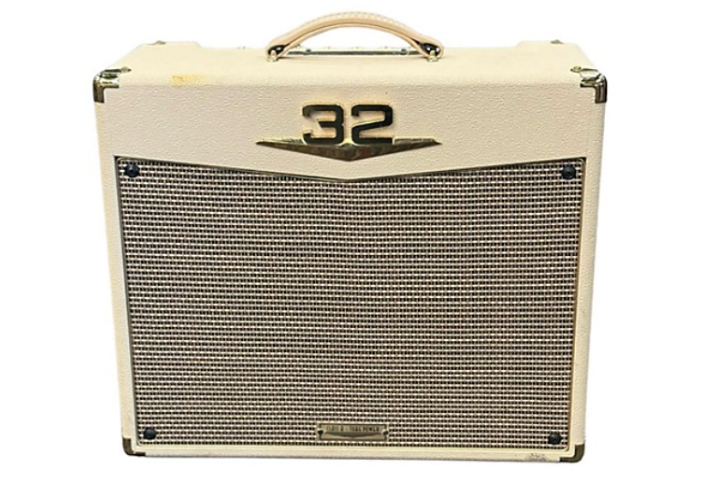
Crate Palomino Tube Guitar Combo Amp
Vintage-style tube amp with warm, expressive tones and creamy overdrive, perfect for blues and classic rock.
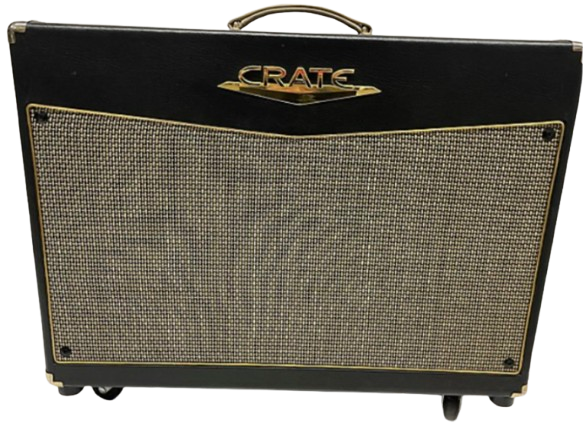
Crate RFX120 Guitar Combo Amp
Powerful solid-state combo with built-in effects, delivering bold tone and reliability for gigging musicians.
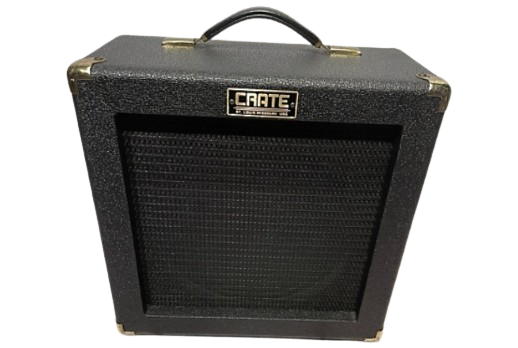
Crate VINTAGE Tube Guitar Combo Amp
Compact tube amp offering classic analog sound with retro design, ideal for home practice or studio use.
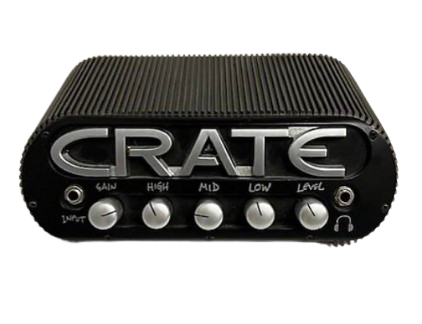
Crate Powerblock Solid State Guitar Amp Head
Ultra-portable amp head with punchy clean tones and EQ controls, great for modern players on the go.
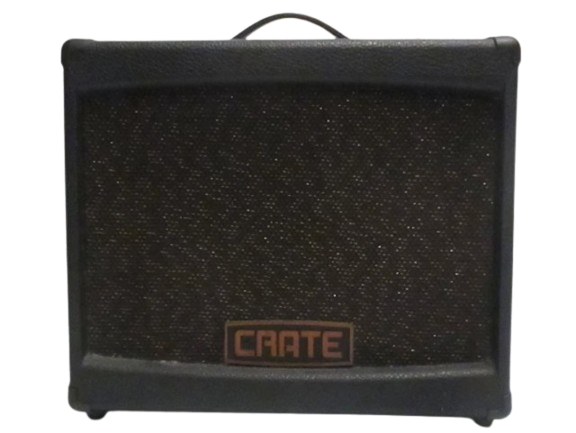
Crate DXB112 Guitar Combo Amp
Simple and durable combo amp with deep lows and smooth highs, built for everyday practice and small venues.
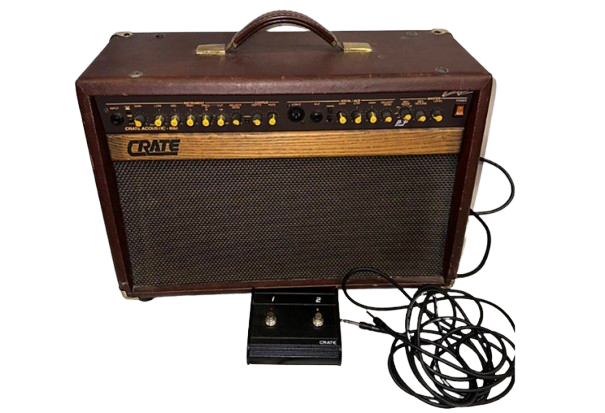
Crate 60D Acoustic Guitar Combo Amp
Acoustic-focused combo amp with EQ and effects, delivering crisp, natural sound for acoustic instruments and vocals.

Get the Inside Track
Fresh gear news, artist stories, and sound tips hit the inbox every month.
Categories
Sound Off
Got ideas about tone, features, or anything else? The team wants to hear it all.

Musicians Trust Their Sound to Crate
“Bought a used Crate head from the ’90s and it’s built like a tank. The gain structure is perfect for doom metal – thick, saturated, but still articulate enough to hear every note in drop tunings.”
Jordan P.
“Finally found an amp that doesn’t need a dozen pedals to sound good. The built-in reverb on my Crate combo is lush, and the clean channel takes my Strat to that perfect edge-of-breakup sweet spot.”
Marcus T.
You Might Also Need

Footswitches
Covers & Cases
Power Supplies
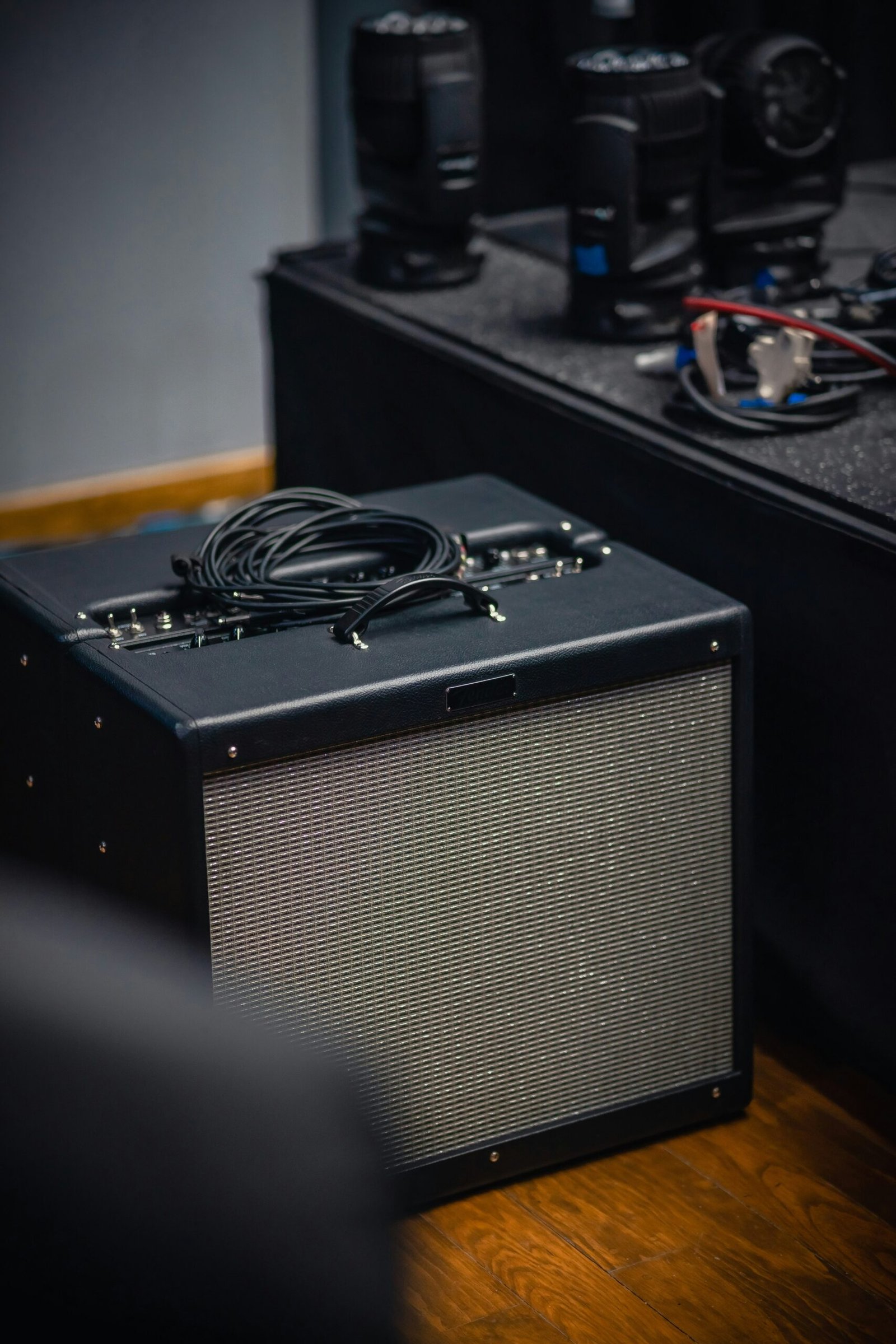
Built for the Stage, Born in the Garage
Crate started the way most great gear does — with musicians tired of compromising. Back in ’78, we were just a handful of players in St. Louis who couldn’t find amps that delivered the punch we needed without emptying our wallets. So we built our own. Turns out, we weren’t the only ones looking for that sweet spot between professional tone and working musician prices.
Today, we’re still building amps the same way we always have: tough enough to survive a thousand load-ins, versatile enough to handle whatever you throw at them, and priced so you don’t have to choose between rent and your rig. We’ve powered everyone from garage bands to arena tours, but we’ve never forgotten where we came from. Every Crate that rolls off our line is tested by actual players who gig for a living — because if it can’t handle Tuesday night at the dive bar, it sure as hell won’t survive Saturday at the festival.
We don’t chase trends or build museum pieces. We build tools for working musicians who need their gear to show up and deliver, night after night. That’s been our philosophy since day one, and it’s why you’ll find Crates in more backlines, practice spaces, and tour vans than just about any other amp out there. Plug in, turn up, and get to work — we’ll handle the rest.
Crate Guitar Amplifiers: Combos, Heads and Half Stacks
Crate built its reputation making affordable, reliable guitar amplifiers that helped countless players get their first real tone. The lineup ran from small practice combos to powerful heads and half stacks, covering everything from bedroom practice to gigging on stage.
Combo amps put the amplifier and speaker in one cabinet for easy, all-in-one use, while amp heads pair with a separate speaker cabinet, often a 4×12, to form a half stack with bigger sound and stage presence. Crate made popular versions of both across solid-state and tube designs.
Whether you are after a compact practice amp, a versatile combo, or a loud half stack, there is a Crate model to match. Below we cover vintage and used Crate amps, the main model lines, the brand’s history, and how to choose the right amp for you.
Vintage and Used Crate Amps: Are They Worth It?
Because Crate produced so many amps over the years, vintage and used models are easy to find and usually very affordable. For players on a budget, a used Crate can be a fantastic way to get a lot of amp for the money.
Some Crate models have become quiet favorites, especially certain tube combos and higher-wattage solid-state amps known for their loud, punchy sound. Value depends on the model, condition, and whether it still works cleanly, but most used Crate amps remain budget-friendly rather than highly collectible.
When buying used, test all the controls, inputs, and the speaker for crackle or hum, and check that any effects and channel switching work. A well-kept used Crate can serve as a dependable practice or backup amp for years.
Crate Amp Models: From Practice Combos to 120-Watt Stacks
Crate’s catalog spanned many series over the decades. Solid-state G-series and GX models, along with the higher-powered 120-watt amps, were workhorses for practice and gigging, while the RFX and GFX lines added onboard effects like reverb and chorus.
Crate also made tube amps, including the well-liked Palomino series and other valve combos and heads prized for their warm, natural overdrive. Acoustic amplifiers and bass amps rounded out the range, giving acoustic and bass players Crate options too.
With so many models, from small practice combos to loud half-stack heads, identifying your exact Crate model by its name and wattage helps you find the right settings, specifications, and any replacement parts you may need.
Is Crate Still in Business? The Story of Crate Amps
Crate was founded in the late 1970s and became one of the best-known budget amplifier brands, especially through the 1980s, 90s, and 2000s. It was part of the same group as SLM and later Loud Technologies, alongside brands like Ampeg.
In recent years, Crate has largely wound down, and new Crate amplifiers are no longer being produced the way they once were. That is why so much of the interest today is in vintage and used models rather than new stock.
Even though the brand is mostly inactive, huge numbers of Crate amps are still out there being played every day. Their affordability and durability mean they remain a common sight in practice rooms, home studios, and on secondhand markets.
How to Choose a Crate Amp: Practice, Tube, Solid-State and Acoustic
Start with how and where you will play. For bedroom practice, a small solid-state combo of around 10 to 30 watts is plenty and keeps the volume manageable. For band practice and small gigs, a louder combo or a head and cabinet gives you the headroom you need.
Solid-state Crate amps are reliable, affordable, and often loaded with built-in effects, while tube models like the Palominos deliver warmer, more dynamic tone at a higher price and weight. Acoustic and bass players should look for Crate amps designed specifically for those instruments.
Also consider features like the number of channels, reverb, and effects loops. Matching the wattage and format to your needs means you get the right amount of volume and tone without overpaying or overpowering your room.
Common Questions
For home practice, a 10-20 watt amp provides plenty of volume without disturbing neighbors. These smaller models still deliver great tone at bedroom-friendly levels. Many include headphone outputs for silent practice sessions.
Tube amplifiers use vacuum tubes to produce a warmer, more dynamic sound that naturally compresses when driven hard. Solid-state amps use transistors, offering more reliability, less maintenance, and often cleaner tones at higher volumes. Both have their place depending on playing style and needs.
Gain controls how much the input signal is amplified in the preamp stage, affecting tone and distortion levels. Volume controls the overall output level going to the speakers. High gain with low volume gives distorted tones at manageable volumes, while low gain with high volume stays cleaner but louder.
Crate has largely wound down, and new Crate amplifiers are no longer produced the way they once were. The brand is mostly inactive today, which is why most interest now centers on vintage and used Crate amps rather than new models.
Crate was founded under SLM (St. Louis Music) and later became part of Loud Technologies, the same group behind brands like Ampeg. Production has since largely stopped, so most Crate amps on the market today are pre-owned.
A combo amp combines the amplifier and speaker in one cabinet, making it simple and portable. A head is just the amplifier and connects to a separate speaker cabinet; a head with one cabinet is called a half stack and offers bigger, louder sound.
For home practice, a small solid-state Crate combo in the 10 to 30 watt range is ideal. Many practice models include built-in reverb or effects and a headphone jack, giving you good tone at manageable volumes.
For bedroom practice, 10 to 30 watts is plenty. For band rehearsals and small gigs, look at 40 watts and up in solid-state, or lower wattage in tube amps since tube watts are louder. Bigger venues or clean headroom call for more power.
Well-known lines include the solid-state G and GX series, the effects-loaded RFX and GFX models, higher-powered 120-watt amps, and the tube-powered Palomino series. The best model for you depends on your style and volume needs.
Many issues come from dirty input jacks or scratchy controls, which can improve with contact cleaner. Crackle or no sound can point to a bad cable, jack, or speaker. For power or internal faults, have a qualified amp technician inspect it, since amps store dangerous voltages.
A humming sound usually comes from a few common sources: a bad cable, improper grounding, or interference from nearby electronics. Try using a different cable first, then check that the amp is plugged into a properly grounded outlet. Moving phones and other devices away from the amp often helps too.
While guitar amps can technically amplify bass frequencies, they’re not designed for it. Bass guitars produce much lower frequencies that can damage guitar amp speakers over time. It’s best to use equipment designed specifically for each instrument.
Most solid-state amps need minimal maintenance beyond occasional cleaning. Tube amps benefit from annual check-ups, with power tubes typically lasting 1-2 years of regular use and preamp tubes lasting 3-5 years. Any unusual noises, loss of volume, or other changes warrant professional inspection.
For the money, yes. Crate amps are known as dependable, affordable amplifiers that are great for practice, beginners, and budget-conscious gigging players. They are not boutique amps, but many models deliver solid, usable tone and last for years.
Most vintage Crate amps are valued more for being affordable, reliable players than as high-priced collectibles. Certain tube models and higher-wattage amps in good working condition hold the most interest, but prices generally stay budget-friendly.
Crate made both. Most Crate amps are solid-state, which are affordable and reliable, but the brand also produced tube models such as the Palomino series that offer warmer, more dynamic valve tone.
Yes. Alongside guitar amps, Crate produced bass amplifiers and dedicated acoustic amplifiers designed to keep those instruments clear and natural, so bass and acoustic players have Crate options too.
Since Crate amps are mostly out of production, you will usually find them used through secondhand marketplaces, music shops, and online listings. Checking condition and function is key when buying pre-owned.
Very much so. Their low cost, simple controls, built-in effects, and durability make Crate amps a popular first amp. A small used Crate combo is an easy, affordable way to start playing electric guitar.